
- Blockchain provides the "shared source of truth" that Islamic finance requires
- Smart contracts automate complex Islamic contracts with precision
- Tokenization makes Sukuk accessible to small investors
- Decentralized Takaful reduces costs and increases efficiency
- The $7.5 trillion Islamic finance industry is entering a blockchain revolution
The Structural Shift: Ancient Ethics Meet 21st-Century Technology
The global financial landscape is witnessing a structural shift where ancient ethical principles meet 21st-century technology. Islamic finance, an industry projected to reach $7.5 trillion by 2028, is finding a natural partner in blockchain and smart contracts. This convergence is not just about digital efficiency; it is about hard-wiring ethics into the very fabric of financial transactions.
— Quran 2:282
A Natural Synergy: Faith and the Ledger
Islamic finance is rooted in justice, transparency, and the prohibition of interest (riba), excessive uncertainty (gharar), and speculation (maysir). Blockchain—a decentralized, immutable ledger—mirrors these values by providing a "shared source of truth" where every transaction is permanent and visible to all authorized parties. By reducing data ambiguity, blockchain directly addresses the Shariah requirement to eliminate gharar.
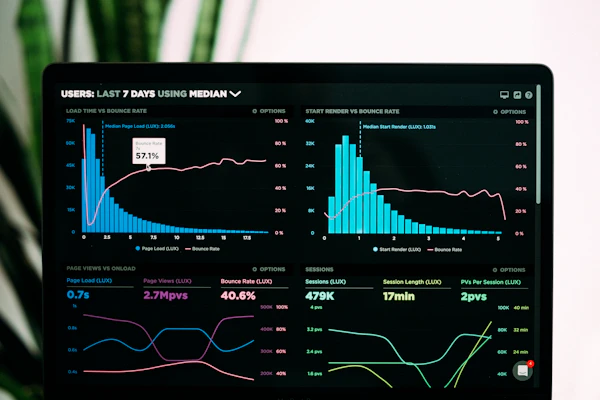
Blockchain's immutable nature ensures that once a Shariah-compliant contract is recorded, it cannot be altered, providing permanent audit trails that traditional systems cannot match. This addresses the Islamic principle of 'Udool' (justice) in record-keeping.
Smart Contracts: The Algorithmic Enforcers
Smart contracts are self-executing protocols that automatically trigger actions when pre-defined conditions are met. In Islamic banking, they are revolutionizing complex contracts:
Murabaha (Cost-Plus Sale)
Smart contracts automate the sequence of ownership, ensuring the bank actually possesses the asset before selling it to the client, thereby avoiding interest-based loopholes.
Mudarabah (Profit-Sharing)
They ensure that profits are distributed based on agreed-upon ratios instantly and transparently, while losses are handled according to Shariah-compliant risk-sharing rules.
// Example: Smart Contract for Mudarabah
contract Mudarabah {
    address public investor;
    address public entrepreneur;
    uint256 public capital;
    uint256 public profitRatio; // e.g., 70 for 70% investor, 30% entrepreneur

    constructor(address _entrepreneur, uint256 _profitRatio) payable {
        investor = msg.sender;
        entrepreneur = _entrepreneur;
        capital = msg.value;
        profitRatio = _profitRatio;
    }

    function distributeProfit(uint256 totalProfit) public {
        require(msg.sender == entrepreneur, "Only entrepreneur can distribute");
        require(totalProfit > 0, "No profit to distribute");

        uint256 investorShare = (totalProfit * profitRatio) / 100;
        uint256 entrepreneurShare = totalProfit - investorShare;

        payable(investor).transfer(investorShare);
        payable(entrepreneur).transfer(entrepreneurShare);
    }
}
Smart Contract Benefits
- Automated Compliance: Enforces Shariah rules without human intervention
- Reduced Disputes: Clear, transparent terms eliminate ambiguity
- Cost Efficiency: Eliminates middlemen and manual processing
- Real-time Execution: Instant settlement of contracts
Democratizing Investment through Tokenized Sukuk
Traditionally, Sukuk (Islamic bonds) required massive capital, often excluding smaller investors with minimum entry tickets as high as $200,000. Tokenization is changing the game:
| Aspect | Traditional Sukuk | Tokenized Sukuk |
|---|---|---|
| Minimum Investment | $200,000+ | $1,000 (or less) |
| Liquidity | Limited secondary market | 24/7 global trading |
| Settlement Time | Days to weeks | Minutes to hours |
| Transparency | Limited visibility | Full blockchain transparency |
| Accessibility | Institutional investors only | Retail investors globally |
Abu Dhabi Islamic Bank's "Smart Sukuk" platform has lowered the entry barrier to just $1,000 through fractional ownership. These digital assets can be traded more easily in secondary markets, providing the liquidity that the Islamic capital market has long needed.
Takaful 2.0: Mutual Aid on the Chain
Takaful, the Shariah-compliant alternative to insurance, relies on mutual assistance. Decentralized insurance protocols are now using smart contracts to automate the entire lifecycle:

Instant Claims Processing
Parametric insurance can trigger automatic payouts for travel delays based on real-time data, removing the need for long bureaucratic processes.
Cost Reduction
By removing centralized intermediaries, these protocols reduce administrative overhead by up to 40% and pass the savings back to the community participants.
"The beauty of blockchain in Islamic finance is that it doesn't just make transactions faster or cheaper—it makes them more ethical. It's technology serving morality, not just efficiency."
The 2025 Landscape and Beyond
The year 2025 marks a turning point as regulators move from "experimentation" to "adoption":
While blockchain offers immense potential, Shariah scholars emphasize that technology must serve Islamic principles, not replace ethical judgment. Ongoing supervision by qualified scholars remains essential even with automated systems.
Qatar's Digital Assets Framework
Qatar has introduced a robust Digital Assets Framework to foster blockchain-based firms, positioning itself as a hub for Islamic fintech innovation.
Malaysia's CBDC Pilot
Malaysia is nearing the completion of its domestic wholesale Central Bank Digital Currency (CBDC) pilot to strengthen its core payment infrastructure, with specific provisions for Shariah-compliant transactions.
Global Adoption Timeline
- 2024: Pilot projects and regulatory sandboxes
- 2025: Regulatory frameworks established
- 2026: Mainstream adoption begins
- 2028: Blockchain becomes standard in Islamic finance
Conclusion: The Ethically Programmed Future
The integration of blockchain and smart contracts into Islamic finance represents a revolutionary leap forward. By providing transparency, reducing costs, and ensuring strict adherence to Shariah, these innovations are building a more inclusive and resilient financial system.
For the next generation of investors, the future of finance is not just digital—it is ethically programmed. The marriage of Islamic principles with blockchain technology creates a financial ecosystem where ethics are not just guidelines but are encoded into every transaction, every contract, and every investment.
As we move toward 2025 and beyond, Islamic finance stands at the forefront of a new era—one where technology serves humanity, transparency builds trust, and ethical principles are not compromised for profit but enhanced by innovation.
Ready to Explore Blockchain Solutions?
Join our upcoming webinar on implementing Shariah-compliant blockchain solutions for your business.
Register for Webinar
Discussion (42 Comments)
Fatima Al-Mansoori
This is groundbreaking! As someone working in Islamic banking, I've seen firsthand how blockchain can solve so many compliance challenges. The smart contract examples are particularly illuminating.
Ahmed Khan
Excellent article! I'm developing a blockchain-based Takaful platform, and this piece validates many of our design decisions. The regulatory landscape section is particularly timely as we navigate compliance.
Sarah Yusuf
As a small investor, the tokenized Sukuk section gives me hope. Traditional Islamic investments have been out of reach for people like me. Blockchain is truly democratizing ethical finance.